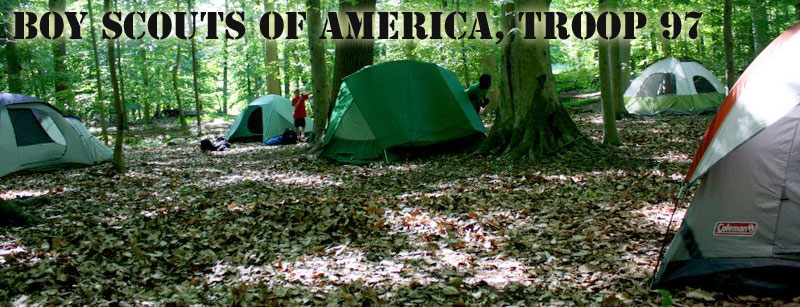
Tents Guide for Scouts
The Troop encourages scouts to purchase and maintain their own tent when you’re ready.
As you start your scouting journey, you might be excited about all the gear you’ll need for your adventures. One important item is a tent, but don’t worry—you don’t need to buy one right away. New scouts are encouraged to share tents with other scouts, which helps you learn teamwork and saves money. Remember, a scout is thrifty!
The Troop also has a limited number of backpacking tents for scouts to use. These tents also come in handy if a scout forgets a tent or has a tent that has an unmendable component. You can check out a tent by talking to the Troop Quartermaster or your Patrol Leader.
Here are a couple of quick notes to start.
Tent Care is a must
Maintenance is a key phrase when owning a tent. Tents must be treated with care during and after use. During a campout take care by keeping it clean (e.g. no shoes in tents, keep sharp equipment outside), and overall being gentle in its use.
After a campout, and likely the most important part of owning a tent is drying it out immediately and completely after an outing and before storage. Even if there was no rain during the event the humidity from breathing is enough to render a tent moldy and unsatisfying if stored and not dried.
Why Backpacking Tents?
While most of the trips do not involve long backpacking treks having a lightweight tent enables the scout to pack all of a weekend’s gear in a backpack while also facilitating those adventures that may require a hike-in of few hundred yards or a few miles! A heavy or large tent will be difficult to manage and be less flexible.
When to Invest in a High-Quality Tent
It’s often best to wait until you’re older (13+) and have been on several adventures before investing in an expensive tent. By then, you’ll have a better idea of what you like and need in a tent. Investing in a high-quality tent at this stage ensures you have gear that will last through your more advanced scouting activities and personal adventures.
Choosing a Tent
Starting with shared tents helps you learn the basics of camping without needing your own gear right away. As you gain experience, you can make informed decisions about the gear that best suits your needs. Read the following section to get an idea of what to look for when you’re ready to get a tent.
Features of a Scout-Friendly Tent
When you’re ready to think about getting your own tent, here are some key features to look for in a three-season tent that’s great for scouting:
1. Scout Capacity - For most trips a “2‑person” tent will fit for 2 scouts and their personal. Older scouts may opt for a “2-person” or “1-Person” tent for themselves. “3-person” tents are OK and may offer additional room for gear but may begin to become heavy.
Avoid: “4-person” or larger tents as some campsites we visit will not have the room for large tents.
2. Weight - A tent for 2 scouts should be around 4-7 lbs. When we are on the trail weight can be distributed by splitting up the tent or other crew gear (fuel, stoves, food). When scouts start doing longer trecks they may look for lighter equipment. There are lots of choices in the 4-5 1/2 lbs range.
3. Features
- A tent with two doors and two vestibules will be very versatile for a couple of scouts, but may also weigh just a tad more. Vestibules can provide storage overnight for shoes and other gear to keep off the morning dew and an extra door will be nice for midnight potty breaks when you don’t have to climb over your tent partner.
- Look for tents with good ventilation. Most three season tents have plenty of mesh below the rainfly.
- Be sure to get a footprint (ground tarp) to save wear and tear on the tent floor. Some tents come with their own footprint while a footprint is an extra purchase on others. You can use after market tarps or even a cut-out of Tyvek or similiar materials. Just look for something with the same size as the manufacturers footprint.
- Ease of Setup: Choose a tent that’s easy to pitch. Freestanding tents (with external poles and clips) make setup quick and simple, even when you arrive at a site in the dark. While pop-up tents are very quick they are also fairly delicate and quite heavy.
- Durability is an important detail for scouting! Some of the most expensive tents are extremely lightweight but extra care must be taken when handling and using the tent to avoid damage.
- Seasons - most tents we use are three season (spring, summer, fall) while a four season tent (for surviving stormy winter weather) would be too warm for all but the coldest campouts.
- Look for a Rainfly that covers nearly all of the tent. This is important during inclement weather and generally enables ventilation by covering large mesh areas on the tent itself.
3. Price - Lots of tents are available in the $125-$200 price range. Look for sales to save plenty of money (*Also see Manufacturers and Discounts at the end of the Backpacking page). Note: a good manufacturer will stand behind their products and help with issues on their equipment. You may want to be wary of brands you cannot find good information or trusted reviews on.
Budget backpacking tents for Consideration
There are many great sites out there that regularly review budget tents such as OutdoorGearLab, CleverHiker, SectionHiker, or Switchback Travel.
Click the below link to run an AI search for tents using these recommended features.